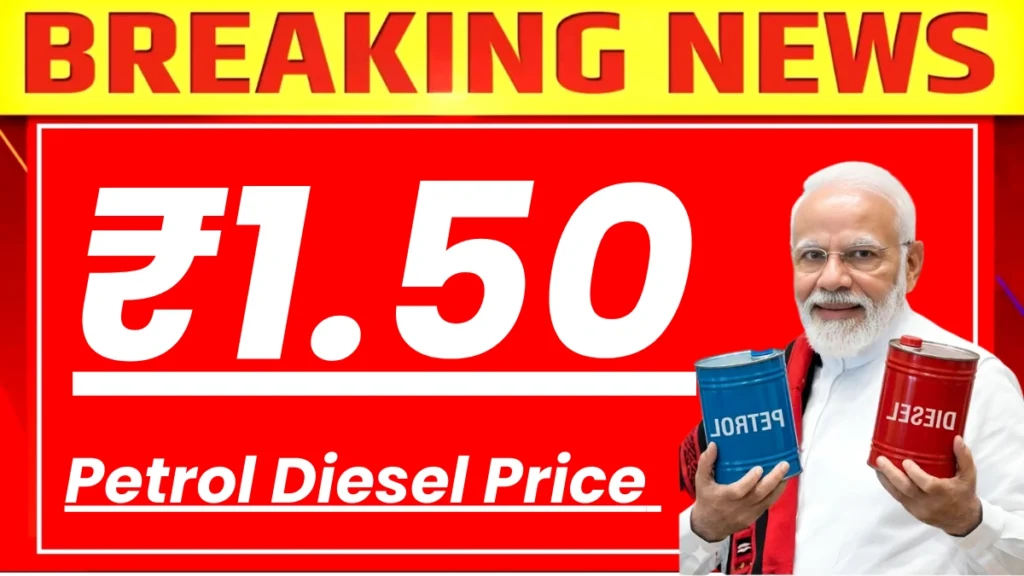
Petrol Diesel Price Today 2026 India: Fuel prices are once again making headlines across India as petrol and diesel rates have been reduced by ₹1.50 per litre in several cities. For millions of vehicle owners, small business operators, and transporters, this update brings timely relief. With inflation concerns and rising living costs dominating discussions in 2026, even a modest dip in fuel prices feels significant. Here’s a comprehensive look at today’s petrol and diesel price cut, city wise retail updates, and what this change could mean going forward.
Nationwide Fuel Relief Sparks Smiles
The latest ₹1.50 reduction in petrol and diesel prices has been implemented by major oil marketing companies including Indian Oil Corporation, Bharat Petroleum Corporation Limited, and Hindustan Petroleum Corporation Limited. The revision reflects easing global crude trends and improved supply dynamics. Across metro cities and tier two towns alike, motorists are seeing slightly lower figures on fuel station boards, offering both psychological and financial comfort at a time when household budgets remain stretched.
City Wise Rates Bring Real Relief
In New Delhi, petrol and diesel rates have moved down following the fresh revision, benefiting daily office commuters and commercial drivers. Mumbai continues to record comparatively higher pump prices due to state taxation, yet the ₹1.50 cut is clearly visible. In Chennai and Kolkata, updated retail prices also reflect the nationwide adjustment, although minor variations remain because of local VAT structures.
Global Crude Stability Drives The Shift
The primary factor behind this reduction is relative stability in international crude oil benchmarks. When global crude prices soften or remain steady over a sustained period, Indian oil marketing companies revise domestic retail rates accordingly. Currency exchange stability has also supported this downward move. A balanced rupee against the dollar reduces import costs, enabling oil companies to pass partial benefits to consumers without creating major pressure on operational margins.
Everyday Commuters Feel The Impact
While ₹1.50 per litre may not appear dramatic at first glance, the cumulative savings matter. A car owner consuming around 50 litres per month could save approximately ₹75 monthly. Two wheeler users may save slightly less, but over a year the difference becomes noticeable. For urban families managing tight monthly budgets, even moderate relief at the pump contributes to better financial balance, especially when combined with stable grocery and utility prices.
Diesel Drop Strengthens Transport Sector
Diesel powers trucks, buses, agricultural machinery, and commercial fleets across India. The ₹1.50 reduction in diesel prices is expected to ease operational costs for logistics operators and public transport services. Lower diesel costs can gradually reflect in stable freight charges, helping keep essential goods affordable. Farmers using diesel driven pumps and tractors may also benefit during peak agricultural seasons, where fuel expenses typically rise.
State Taxes Continue To Shape Final Prices
Even after a nationwide price cut, fuel rates differ from state to state because of varying VAT and local levies. Some states maintain higher tax percentages, resulting in comparatively elevated pump prices. Metropolitan regions often show slightly higher rates than smaller towns. Therefore, while the base price revision applies across India, the final amount paid by consumers still depends largely on state taxation policies.
Inflation Control Gets Support
Fuel prices play a crucial role in shaping overall inflation. When petrol and diesel costs decrease, transportation expenses decline, which can help stabilize the prices of goods and services. Policymakers closely track fuel trends because of their ripple effect on the broader economy. The current reduction may contribute modestly toward keeping inflation pressures under control, especially in urban markets where transportation costs directly influence retail pricing.
Daily Pricing System Ensures Transparency
India follows a dynamic daily pricing model for petrol and diesel. Oil marketing companies review global crude prices and currency exchange rates each morning before updating retail prices. This mechanism allows quicker adjustments in response to international market movements. Compared to earlier periodic revisions, the daily update system offers greater transparency and ensures consumers benefit more promptly from global price corrections.
Market Outlook Remains Cautiously Positive
Energy market analysts believe further minor reductions may be possible if crude oil prices remain stable globally. However, fuel pricing remains sensitive to geopolitical tensions, production cuts by oil exporting nations, and sudden currency fluctuations. Any unexpected disruption could reverse the downward trend. For now, the ₹1.50 cut reflects short term stability rather than a long term guarantee of continuously falling prices.
Final Word: Petrol Diesel Price Today 2026 India
The ₹1.50 per litre reduction in petrol and diesel prices across India offers timely relief in 2026. While the savings per litre may seem modest, the broader economic impact extends from individual commuters to large transport operators. If global crude trends remain steady, consumers could see further favorable adjustments. For the moment, today’s update provides welcome breathing space at the pump and a positive signal for fuel cost stability in the months ahead.
Disclaimer: This article is for general information only. Petrol and diesel prices vary by location and time. Readers should verify latest fuel rates from official sources or local fuel stations.
