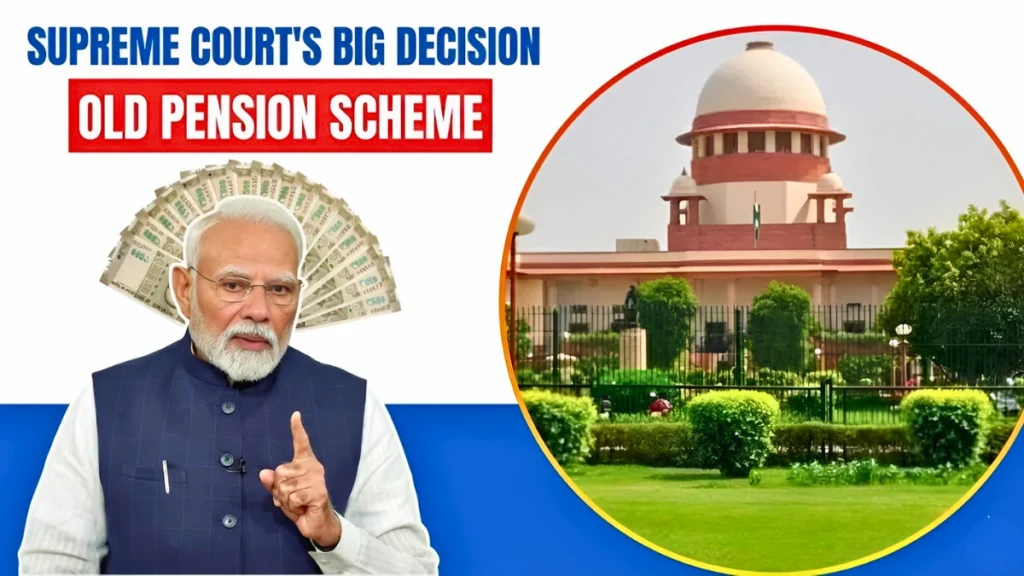
Old Pension Scheme 2026 Big Update: The conversation around the Old Pension Scheme has taken a dramatic turn in 2026. After months of uncertainty, debates, and nationwide discussions among government employees, the Supreme Court has delivered a significant verdict that is already being described as a turning point. With March 1 rollout discussions gaining momentum, employees across departments are closely tracking what this decision means for their retirement future. The update does not just influence policy — it directly affects financial stability, long-term security, and the trust employees place in the system.
For lakhs of government workers and retirees, pension is not just a monthly payment. It represents decades of service, discipline, and commitment. The latest Supreme Court stance has reignited hope among those who felt uncertain about the shift from the Old Pension Scheme to newer models. Here’s a detailed breakdown of what this major development means and why 2026 could become a landmark year in India’s pension history.
Supreme Court Reinforces Pension Rights
The Supreme Court has clearly emphasized that pension is not a discretionary benefit but a legally protected right earned through years of service. This observation has brought renewed confidence among employees who feared that retirement guarantees could gradually weaken under evolving policy structures.
By underlining the constitutional and legal importance of pension security, the court has strengthened the argument that retirement benefits must remain stable, transparent, and predictable. This clarification is being seen as a powerful message that financial dignity after retirement cannot be compromised through administrative ambiguity or inconsistent frameworks.
March Rollout Creates Anticipation
With discussions pointing toward a March 1 implementation window for certain pension-related clarifications, anticipation is at its peak. Government departments are reportedly reviewing internal compliance structures to align with judicial guidance. While the exact administrative roadmap may differ across states and central bodies, the focus is now firmly on structured rollout planning.
Employees are watching for circulars, departmental updates, and official guidelines that could explain how this judicial reinforcement will translate into policy action. March is now being viewed not just as another month, but as a potential milestone for pension stability.
Old Versus New Pension Debate
The contrast between the Old Pension Scheme and the newer contribution-based structure remains central to the debate. Under OPS, retirees typically receive a defined pension calculated as a percentage of their last drawn salary, along with periodic adjustments linked to inflation allowances.
In contrast, the newer system is market-linked and contribution-based, meaning final pension amounts depend on investment performance. This difference in predictability has been at the heart of employee concerns. The Supreme Court’s observations have reignited discussions about whether guaranteed pension frameworks offer stronger social security compared to market-dependent models.
Financial Security Takes Center Stage
One of the most powerful impacts of the verdict is psychological. For government employees nearing retirement, financial predictability is essential. Housing loans, healthcare costs, and family responsibilities often depend on stable post-retirement income.
The court’s reinforcement of pension rights brings reassurance that retirement planning will not be left vulnerable to unpredictable structural changes. Experts believe this development may encourage policymakers to strengthen safety nets and refine pension frameworks to ensure long-term sustainability without compromising employee confidence.
States Watching Policy Direction
Several states in India have already experimented with revisiting or restoring elements of the Old Pension Scheme. With the Supreme Court’s fresh stance, state governments are expected to reassess their pension commitments carefully.
Administrative departments are analyzing fiscal impact, sustainability models, and long-term liabilities. While financial prudence remains important, political and social pressures are equally significant. The judicial clarity may influence how states design pension reforms moving forward, ensuring that employee welfare remains central in decision-making.
Employees Demand Clear Guidelines
Uncertainty creates anxiety, and employees across departments are now demanding detailed, written guidelines explaining how the verdict will influence pension calculations. Many want clarity on eligibility criteria, service conditions, and transitional provisions.
There is also growing curiosity about whether employees currently under the new system might receive additional options or safeguards. Transparent communication from authorities will be critical in the coming weeks to prevent misinformation and speculation.
Economic Impact On Government Finances
The pension debate is not only emotional but also economic. Reinstating or strengthening defined pension guarantees requires careful fiscal planning. Government finance departments are evaluating how pension liabilities will be managed in the long term.
Balancing employee security with economic discipline is complex. However, the Supreme Court’s emphasis on pension as a right suggests that fiscal constraints cannot override constitutional protections. This balance between sustainability and obligation will likely define policy discussions throughout 2026.
Retirement Planning Gets Reset
For many employees, this verdict has triggered a reset in retirement planning strategies. Some had begun adjusting savings plans assuming lower or uncertain pension returns. With judicial reinforcement supporting stronger pension rights, retirement projections may now look more stable.
Financial advisors are encouraging employees to stay updated with official notifications before making drastic decisions. A stable pension framework often reduces the burden on personal savings and provides a foundation for dignified living after service completion.
Public Sentiment Shifts Dramatically
Public sentiment around the Old Pension Scheme has shifted noticeably. Social discussions, employee forums, and service associations are expressing cautious optimism. While final administrative details are awaited, the psychological boost is undeniable.
This verdict has also reopened a national conversation about how a country values its public servants. Retirement dignity is increasingly being recognized as an extension of workplace respect, reinforcing the idea that long years of service deserve structured financial security.
What Happens After March
The coming months will be decisive. Once official guidelines are issued and departments align their compliance systems, the real impact of the Supreme Court verdict will become clearer. Employees expect phased clarity, departmental training, and streamlined documentation procedures.
Observers believe that 2026 could witness broader pension reforms, perhaps even hybrid models that balance fiscal sustainability with guaranteed benefits. Whatever the administrative route, the judicial message has already reshaped the narrative.
Also Read: New Honda Shine Electric 2026 Launched: 400km Range, 110km/h Top Speed at Budget Price
Final Word On OPS 2026
The Old Pension Scheme 2026 update marks a defining moment in India’s retirement policy landscape. The Supreme Court’s firm observations have restored confidence among millions of government employees who view pension not as a privilege but as an earned entitlement. While administrative processes will unfold gradually, the broader message is clear: retirement security must remain protected, transparent, and legally sound.
As March developments progress, employees and policymakers alike stand at a crossroads. The path chosen in 2026 could influence pension frameworks for decades. For now, one thing is certain — the conversation around pension rights has gained unprecedented momentum, and retirement dignity has taken center stage in the national dialogue.
DISCLAIMER: This article is for informational purposes only. It does not constitute legal, financial, or official government advice. Readers should verify updates through authorized government notifications and consult professionals before making decisions.
