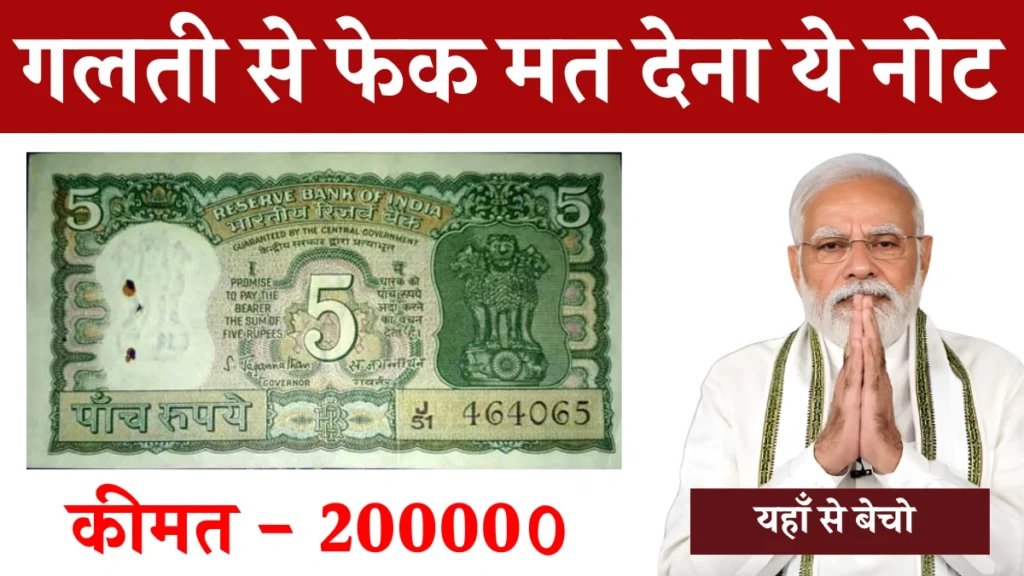
Old ₹5 Note Value 2026: Old ₹5 notes are suddenly becoming the center of attention in 2026. Across India, collectors and curious citizens are searching their cupboards, lockers, and old wallets after hearing claims that certain rare ₹5 notes can sell for lakhs. Social media posts and online listings have fueled excitement, especially around tractor-themed notes and serial numbers like 786. But how much of this is real, and how much is exaggerated buzz? Here is a complete, fresh breakdown of the truth behind old ₹5 note value in 2026.
Tractor Design Craze Sparks Massive Interest
One of the most talked-about versions of the ₹5 note features a tractor image on the reverse side. These notes were issued decades ago and are no longer in regular circulation. Because they represent India’s agricultural identity, collectors often consider them culturally significant. However, not every tractor note is rare. Only specific print years, limited batches, or unusual features make them collectible. Simply having a tractor design does not automatically mean the note is worth lakhs.
The 786 Serial Number Buzz
The number 786 holds religious and cultural importance for many people in India. As a result, currency notes carrying 786 in their serial number often attract higher demand. In the collectors’ market, such notes may sell at a premium compared to regular notes. However, the value depends heavily on condition, uniqueness, and buyer interest. A ₹5 note with 786 in poor condition may not fetch a significant amount despite the emotional appeal attached to the number.
Condition Decides the Real Price
The biggest factor influencing old ₹5 note value is condition. Collectors prefer uncirculated or near-mint notes without folds, stains, tears, or writing. A crisp, well-preserved note can command much higher prices than a damaged one. Even rare serial numbers lose appeal if the note is heavily used. In 2026, serious buyers are extremely selective, and grading standards have become stricter in the collectible currency market.
Rare Printing Errors Boost Demand
Some ₹5 notes gain attention due to printing mistakes. Errors like misaligned printing, missing colors, inverted designs, or unusual ink spreads can increase rarity. These manufacturing flaws were never intended, making such notes unique. Collectors often pay more for genuine error notes because they are uncommon. However, authenticity is crucial. Fake or artificially damaged notes do not carry value and can lead to disputes in private sales.
Governor Signatures Add Value
Old ₹5 notes were issued under different Reserve Bank of India governors over the years. Certain signature combinations, especially from shorter tenures, can make a note more desirable. Collectors who focus on signature variations are willing to pay a premium for rare combinations. Still, the increase in value depends on overall scarcity and market demand. Signature alone does not guarantee a huge payout unless combined with other rare features.
Online Listings Create Unrealistic Expectations
Many viral posts claim that tractor or 786 serial ₹5 notes are selling for ₹2 lakh or even ₹5 lakh. While there may be occasional high-value transactions, these are usually rare and specific cases. Online marketplaces often show asking prices, not actual selling prices. This creates confusion and unrealistic expectations. In reality, most old ₹5 notes sell within a much smaller range unless they meet strict rarity and condition criteria.
How Collectors Determine Authenticity
Serious buyers verify paper texture, watermark clarity, security thread, print alignment, and serial consistency. In 2026, experienced collectors use magnification tools and reference catalogs to confirm authenticity. Counterfeit claims have increased due to viral trends. Anyone planning to sell a rare ₹5 note should ensure it is genuine before negotiating. Proper authentication builds trust and helps secure better offers in the collector community.
Market Trends in 2026
The collectible currency market in India has grown steadily over the past few years. Young investors are exploring alternative collectibles, including coins and old notes. However, demand fluctuates based on trends. Tractor notes and 786 serial notes may be popular now, but prices depend on buyer competition. Long-term value is influenced by scarcity, historical importance, and preservation rather than short-term viral attention.
Legal and Safety Considerations
Selling old currency notes is generally legal when done as collectibles, not as active legal tender transactions. However, large cash deals can attract scrutiny. It is important to follow proper guidelines and avoid suspicious platforms. Transparent communication, documented transactions, and verified buyers help reduce risks. In 2026, digital payment methods are preferred for safe collectible trading.
Practical Tips Before Selling
Before listing an old ₹5 note for sale, examine its condition carefully. Store it in a protective sleeve to prevent damage. Research recent selling prices instead of relying on viral claims. Consult collector groups or experts to understand realistic value. Patience also matters. Rare notes may take time to find the right buyer willing to pay a premium price.
Emotional Value Versus Market Value
For many families, old ₹5 notes carry memories of childhood, early savings, or rural markets. Emotional value can feel priceless. However, market value is determined by demand and rarity. While some tractor or 786 serial notes may sell at impressive prices, most will not reach lakh-level figures. Separating sentiment from realistic expectations is important when evaluating potential resale.
Final Verdict on ₹5 Note Value
Old ₹5 notes with tractor designs or 786 serial numbers can indeed attract higher interest in 2026, especially among collectors. However, only rare combinations in excellent condition have the potential to sell for very high amounts. Viral claims often exaggerate typical prices. The real value depends on authenticity, preservation, and actual buyer demand. Checking your old notes is exciting, but understanding the market clearly is the smartest way to avoid disappointment.
Disclaimer: This article is for informational purposes only. Currency values may vary based on market demand, condition, and authenticity. Always verify details with certified experts before making buying or selling decisions.
