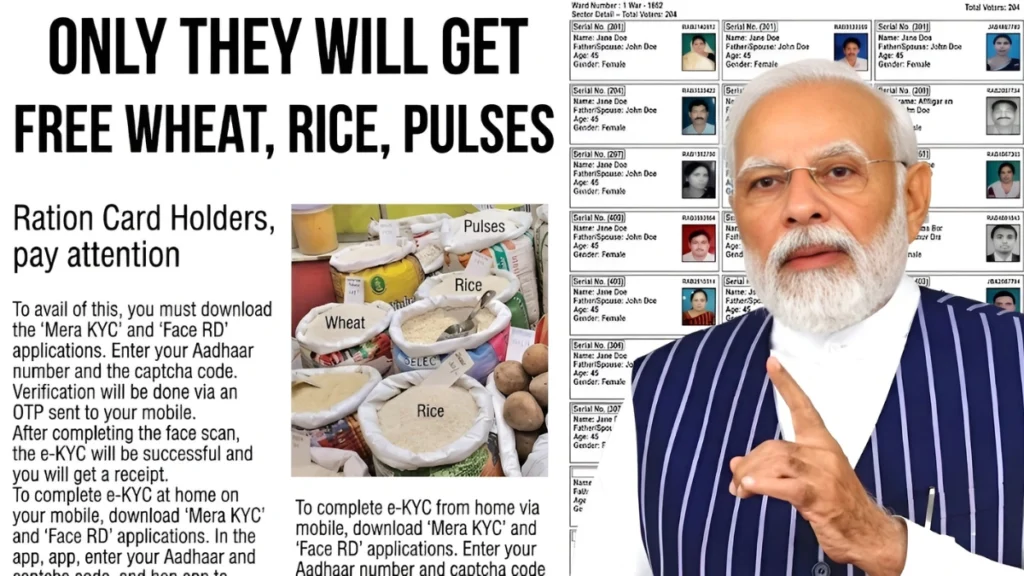
Ration Card Holders 2026 Big Relief: Ration card holders are once again at the center of major welfare discussions in 2026. With household expenses rising due to food inflation, fuel price fluctuations, and everyday living costs, government-backed support schemes are being expanded to protect vulnerable families. Fresh announcements around free ration distribution, a proposed ₹2000 direct cash benefit, and the distribution of two LPG cylinders are being viewed as a strong financial cushion for millions of beneficiaries.
These welfare measures are designed not only to provide temporary relief but also to strengthen long term food security and financial stability. Here is a complete and updated look at what ration card holders can expect in 2026 and how these benefits may impact their daily lives.
Free Ration Extended With Stronger Coverage
Food security remains the top priority under public welfare planning in 2026. Eligible ration card holders are expected to continue receiving free food grains including rice, wheat, and select coarse cereals under the public distribution system. In several regions, fortified grains are also being supplied to improve nutrition standards.
This continuation of free ration helps families cut down grocery spending significantly. With essential food items becoming expensive in open markets, free monthly distribution ensures that basic dietary needs are met without financial strain. The focus is on uninterrupted supply and transparent distribution at fair price shops.
₹2000 Cash Support To Ease Burden
The proposed ₹2000 direct cash transfer has become one of the most discussed relief measures this year. If officially rolled out, the amount would be credited directly into the bank accounts of eligible ration card holders through the Direct Benefit Transfer system.
This financial assistance can help families manage urgent needs such as utility bills, school supplies, transportation costs, or medical expenses. Unlike subsidies that are limited to specific goods, cash support offers flexibility, allowing households to use funds based on their immediate priorities.
Two LPG Cylinders For Cleaner Kitchens
Cooking gas prices have been a major concern for low income households. To reduce this pressure, the announcement of two free or highly subsidized LPG cylinders for ration card holders is being welcomed widely. Access to affordable cooking fuel ensures families can continue using clean energy without shifting back to traditional and harmful fuel sources.
Providing two cylinders annually or within a defined cycle helps families plan their expenses better. This measure also promotes health benefits by reducing indoor air pollution caused by firewood or coal usage.
Digital Verification Strengthens Transparency
The 2026 rollout focuses heavily on digital monitoring and Aadhaar based authentication. Beneficiaries are required to complete e KYC processes to confirm eligibility. Linking ration cards with Aadhaar and active bank accounts ensures that benefits reach the right individuals without duplication.
Digital tracking systems also allow authorities to monitor distribution in real time. This reduces corruption, minimizes leakage, and ensures that both ration supplies and cash transfers are delivered efficiently.
Priority Families Get Maximum Advantage
Priority households, Antyodaya Anna Yojana beneficiaries, and economically weaker sections are expected to remain the primary focus of the relief package. These groups often rely heavily on government assistance for survival.
Eligibility criteria may vary slightly across states, but income limits, household size, and economic status remain key determining factors. Families must ensure that their ration card category is updated and that all required documents are verified to avoid missing out on benefits.
State Governments Add Extra Benefits
While central policies provide the core structure, many state governments are enhancing support by adding region specific benefits. Some states may include pulses, edible oil, or sugar in ration kits. Others may increase the cash transfer amount depending on budget allocations.
This flexibility allows local administrations to address specific economic challenges faced by their residents. Beneficiaries should stay updated through official announcements to know the exact benefits applicable in their area.
Financial Impact On Monthly Budgets
The combined effect of free ration, ₹2000 cash assistance, and two LPG cylinders can significantly reduce monthly expenses. For a low income family, food and cooking fuel account for a large share of household spending.
Savings generated from these benefits can be redirected toward children’s education, healthcare needs, or small savings. Over time, this contributes to improved financial stability and reduced dependency on informal borrowing or debt.
Boost To Rural And Urban Households
Both rural and urban ration card holders stand to benefit from these announcements. In rural areas, where job opportunities may fluctuate seasonally, free ration ensures uninterrupted food availability. In urban regions, where living costs are higher, cash transfers provide additional flexibility.
The dual approach of food security and financial assistance creates a balanced support system that adapts to different living conditions across the country.
Application And Status Check Made Simple
Beneficiaries can check their ration card status and benefit eligibility through official food department portals or local ration offices. Online services allow users to verify DBT credits, update Aadhaar details, and track ration distribution history.
Keeping mobile numbers linked with ration records ensures timely SMS alerts regarding new announcements or benefit disbursements. Staying proactive helps households avoid delays or confusion during implementation.
Long Term Welfare Vision For 2026
The broader goal of these measures is not limited to short term relief. By combining food distribution, direct financial support, and clean energy access, policymakers aim to build a stronger safety net for economically vulnerable citizens.
Such integrated welfare planning supports social stability, reduces hunger risks, and enhances quality of life. The focus in 2026 is clearly on expanding reach while improving efficiency through technology driven systems.
Final Word: Ration Card Holders 2026 Big Relief
The 2026 relief package for ration card holders represents a comprehensive support initiative addressing food, fuel, and financial needs together. Free ration secures essential nutrition, the ₹2000 cash transfer provides flexible economic support, and two LPG cylinders reduce cooking fuel expenses.
For eligible families, these benefits could bring meaningful financial breathing space in challenging economic times. Ensuring updated documents, completed KYC, and active bank linkage will be essential to receive full advantages. As implementation unfolds across states, ration card holders can expect a stronger and more streamlined welfare system designed to protect their everyday needs throughout the year.
Disclaimer: This article is for informational purposes only. Scheme details, eligibility, and benefits may change based on official government notifications. Readers should verify information through authorized government sources before making decisions.
